
In today’s globalized world, media companies face the challenge of reaching diverse audiences across various languages and cultures. The traditional methods of dubbing, subtitling, and voiceover work are costly and time-consuming. However, with the advent of AI voice cloning, businesses can now provide a more personalized and scalable solution for content localization. This technology allows companies to clone voices and generate speech in multiple languages, making it possible to create multilingual content quickly and efficiently.
The Power of AI Voice Cloning in Localization
AI voice cloning utilizes sophisticated machine learning algorithms to replicate human voices, enabling the generation of speech that sounds remarkably natural and human-like. This technology is transforming how media companies approach content localization. Instead of hiring multiple voice actors for different languages, AI voice cloning allows companies to use a single voice model and adapt it to various linguistic and cultural contexts.

For instance, a media company could take a video in English, use AI voice cloning by Invideo AI to generate a Spanish or French version with the same tone and style, and release it within hours instead of days. This significantly reduces production costs and turnaround times while maintaining the authenticity of the original content. The result? A seamless experience for global audiences who can enjoy content in their native language without sacrificing quality.
Benefits for Media Companies and Their Audiences
- Cost Efficiency
Traditional localization methods often involve hiring voiceover artists for each language, which can be expensive. With AI voice cloning, the process becomes much more affordable. Companies can use a single model to generate voices in various languages, which reduces the need for multiple recordings and the associated costs. - Faster Turnaround Times
AI-driven voice cloning technology speeds up the entire localization process. Instead of waiting for voice actors to record each version of a script, media companies can generate voiceovers in minutes. This enables them to release localized content faster, keeping up with global trends and audience demand. - Consistency in Brand Voice
Maintaining a consistent tone and voice across different languages is crucial for branding. AI voice cloning ensures that the brand’s voice remains the same, no matter the language or cultural context. Media companies can train AI models to replicate a particular voice, whether it’s a famous celebrity, a recognizable narrator, or a unique brand spokesperson. - Enhanced Audience Engagement
By localizing content with AI voice cloning, companies can enhance their audience’s experience. Listeners are more likely to engage with content that speaks to them in their native language, and this helps build stronger connections. Whether it’s for news outlets, entertainment shows, or educational platforms, personalized voiceovers make the content feel more relatable and engaging.
AI Voice Cloning in the Media Industry: Real-Life Applications
Several leading media companies have already started adopting AI voice cloning for their localization efforts. For example, global streaming platforms like Netflix and Amazon Prime use this technology to create localized content for international markets. Instead of relying on human voice actors in every country, they can create multiple versions of a show or movie in different languages using the same voice model.

Additionally, news outlets and online media platforms are leveraging AI voice cloning to produce voiceovers for their articles or video content. By utilizing this technology, they can efficiently create multilingual reports without the need for additional personnel. This is especially useful for media companies targeting markets with large linguistic diversity, such as in India, where multiple languages are spoken across different regions.
The Role of Free AI Video Apps in Content Localization
While AI voice cloning plays a critical role in voiceover work, free AI video apps also contribute to the localization process. These apps often integrate features that allow media companies to add subtitles, translate text, and even modify visual elements to suit different cultural contexts. For example, AI-driven tools like free AI video apps can automatically generate translated captions or adjust scenes to better reflect local customs and preferences.
These free apps allow media companies to efficiently edit and personalize video content for different markets. With the addition of AI voice cloning, the video can be not only linguistically accurate but also culturally appropriate, making it resonate better with viewers. This is a significant advantage for companies looking to expand their global presence without investing in expensive software or additional teams.
The Future of Content Localization with AI
As AI voice cloning technology continues to improve, we can expect even more innovation in content localization. Future advancements may allow for more accurate voice replication, including nuances like regional accents or emotional tones, further enhancing the authenticity of localized content. Additionally, the integration of AI video editing tools with voice cloning systems will enable media companies to create even more dynamic and personalized experiences for their global audiences.
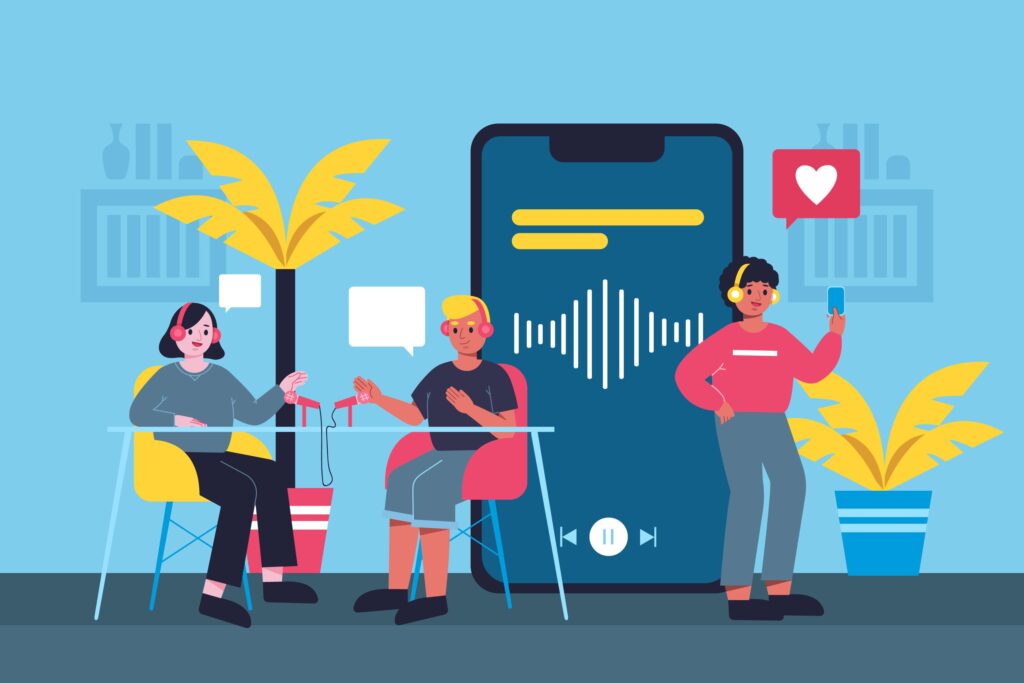
By harnessing the power of AI voice cloning and free AI video apps, media companies can now create a more connected and personalized world, where language barriers no longer hinder the spread of information and entertainment. The possibilities for global content expansion are limitless, and as this technology evolves, it will continue to revolutionize how companies approach international markets.
Conclusion
In summary, AI voice cloning is a game-changing technology for media companies looking to localize content for global audiences. By providing cost-effective, quick, and consistent voiceovers, AI voice cloning enables businesses to connect with diverse audiences on a deeper level. Combined with the capabilities of free AI video apps, the future of content localization is more accessible than ever before. With these tools, media companies can scale their efforts, ensuring that their content reaches people around the world in a way that feels personal and authentic.